
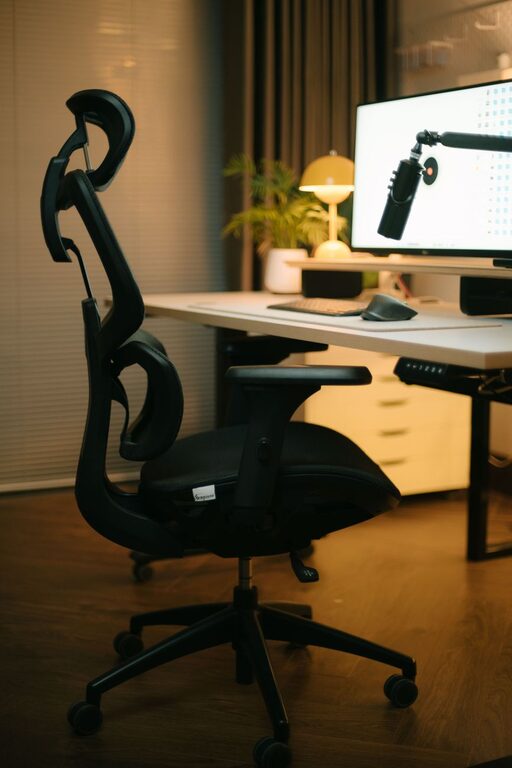
Creating a comfortable and efficient workspace starts with choosing the right desk chair. Whether you work from home or in an office, spending long hours seated makes it essential to pick a chair that supports your posture and keeps you comfortable throughout the day. This guide offers helpful tips to help you select a desk chair that fits your needs, enhances comfort, and promotes good health.
Why Choosing the Right Desk Chair Matters
Sitting for extended periods can strain your back, neck, and shoulders if your chair does not provide proper support. A good desk chair helps maintain correct posture, reduces the risk of discomfort and pain, and can even improve focus and productivity. Investing time in selecting the right chair pays off in comfort and well-being.
Key Features to Look For
When shopping for a desk chair, consider the following features to ensure comfort and support:
1. Adjustable Height
An adjustable seat height allows you to sit with your feet flat on the floor, thighs parallel to the ground, and knees at about a 90-degree angle. This alignment helps prevent strain on your lower back and legs.
2. Lumbar Support
Look for chairs with built-in lumbar support or adjustable lower back cushions. Good lumbar support maintains the natural inward curve of your lower spine, reducing stress on your back muscles.
3. Seat Depth and Width
The seat should be wide and deep enough to support you comfortably without pressing against the backs of your knees. Ideally, there should be about 2 to 4 inches between the seat edge and your knees.
4. Backrest Recline and Tilt
A backrest that can recline and tilt makes it easier to change positions throughout the day, easing pressure on your spine. Adjustable tilt tension allows you to control the resistance when reclining.
5. Armrests
Armrests support your arms and reduce shoulder tension. Choose chairs with adjustable armrests that can be raised, lowered, or moved sideways to fit your body and desk height.
6. Material and Padding
Consider breathable materials like mesh for better airflow, especially if you tend to get warm while seated. Padding should be firm enough to provide support without being too hard.
Additional Comfort Considerations
Beyond basic features, look for extras that increase comfort:
– Swivel Base: Allows easy movement and access to different parts of your workspace without straining or twisting.
– Casters: Select casters suitable for your floor type (carpet, hardwood, etc.) to ensure smooth rolling.
– Headrest: For added neck support, especially if you tend to lean back while working.
Trying Before Buying
If possible, test chairs in-store to assess comfort and usability. Sit for at least 10-15 minutes to get a feel for support and adjustability. Pay attention to how your body feels during this time.
Matching Your Chair to Your Workspace
Take measurements of your desk height and available floor space to ensure the chair fits well. Also, consider the style and color of the chair to complement your office décor.
Budget Considerations
Comfort and ergonomics are priorities, but chairs can range widely in price. Determine your budget while keeping in mind that a higher-quality chair is an investment in your health and productivity.
Maintenance Tips
To keep your chair comfortable and lasting longer:
– Regularly clean upholstery or mesh surfaces.
– Tighten screws and check moving parts.
– Replace worn-out casters or cushions as needed.
Final Thoughts
Selecting a comfortable desk chair involves balancing ergonomics, adjustability, materials, and budget. Prioritize features that support healthy posture and allow you to move freely during your workday. A well-chosen chair will enhance comfort, reduce fatigue, and help you stay focused on your tasks.
Remember, the best chair is one that fits your body and work environment, so take your time exploring options before making a decision. Your back will thank you!
About the Author